Bottles and jugs have long been one of the hard cases for RFID. Many retailers tag clothing and shoes, then stop when they reach the shelves with drinks, detergents and oils. A new test suggests that gap is getting smaller.
On November 19, Impinj published results from a test with Checkpoint Systems. An RFID tag built into the plastic band around a bottle cap cut the time it took to count about 50 one-gallon containers with a handheld reader by 52%, from 10.6 to 5.1 seconds.
This post explains what was tested, how to read the numbers, and what warehouse and store teams can check now if liquids are on their RFID wish list.
Why liquids are hard for RFID
RAIN RFID, the UHF kind used for stock counts, sends radio waves out to small tags and listens for the answer. Water soaks up a lot of that energy, and so does metal. A tag stuck flat on the side of a full bottle often gets too little power to answer, or answers too weakly to be heard.
That is why most store RFID programs started with clothing. A tag on a swing ticket hangs in the air, away from anything that blocks the signal. Liquids, cans and foil packs were often left out, so those products were still counted by hand or by barcode.
What Checkpoint and Impinj tested
The tag is Checkpoint's SmartShrink. It is an RFID inlay placed in the shrink band that seals the cap, and it is put on while the bottle is filled and capped. Sitting at the cap keeps it at the top of the container, above most of the liquid. The chip is from Impinj's M800 series, which supports Gen2X, Impinj's extension of the RAIN RFID protocol.
Impinj's post describes two tests. The handheld test used a Checkpoint E Family reader with Gen2X support. The fixed test read the containers from one meter away for five seconds.
| Test | Standard Gen2 | With Gen2X |
|---|---|---|
| Handheld: time to read all of about 50 one-gallon containers | 10.6 seconds | 5.1 seconds (52% faster) |
| Fixed reader: share of tagged items read at 1 meter in 5 seconds | 74% | 89% |
In the handheld test, both setups found every container. Gen2X got there in about half the time. In the fixed test, Gen2X read more of the tags within the same short window.
What Gen2X is, and which devices have it
Gen2X is Impinj's add-on to the standard RAIN RFID protocol, which most people call Gen2. Impinj describes it as compatible with the standard. In practice the tags still answer normal Gen2 readers, and a Gen2X reader adds extra features when it talks to a Gen2X chip.
In a September post, Impinj listed uses such as finding a few tags of interest again quickly, filtering out unwanted tags while picking, and checking on the spot that a chip is genuine.
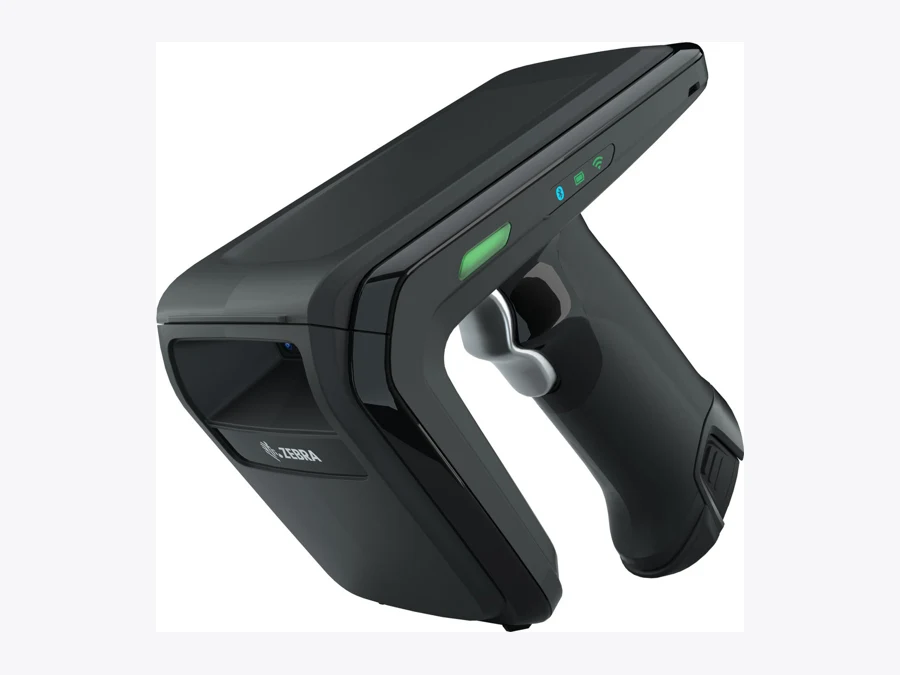
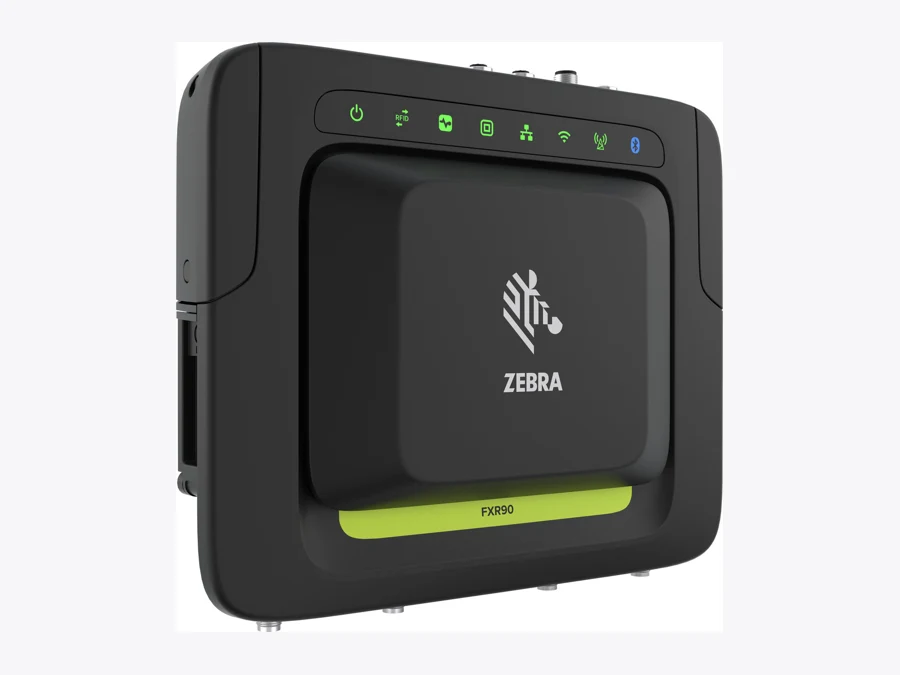
The same month, Impinj wrote that Zebra would add Gen2X to its RFID range through firmware updates. The devices named were the MC33 family, TC22R, TC501 and TC701 handhelds, the RFD40 and RFD90 sleds, and the FXR90, FX9600, FX7500 and ATR7000 fixed readers. For teams that already own one of these, Gen2X may come as an update rather than a new purchase.
Read the numbers with care
This is a vendor test, published by the chip maker and the tag maker. It is a good signal, not proof that your store will see the same result. A few things to keep in mind:
It is small. About 50 containers is one shelf section, not a store. A full aisle with hundreds of bottles packed close together is a harder job.
It used one size and one reader. The containers held one gallon each. Smaller bottles and other shapes may behave differently. The handheld figures come from a Checkpoint reader, and we found no published figures for the same test on Zebra or other devices.
The tag has to be in the cap. SmartShrink is applied at the filling line. A store or warehouse cannot add it later. Whether you get these tags depends on your suppliers.
Still, the direction is clear. With tags at the cap and better reader software, liquids are moving from "skip it" toward "worth a test."
What warehouse and store teams can check now
You do not need to change anything today. But if you already use RFID, or plan to, a few checks will tell you where you stand.
Check your readers. List the RFID handhelds, sleds and fixed readers you own. If any are on Zebra's Gen2X list, ask your hardware partner when the firmware is available and what it changes.
Ask your suppliers. If you sell or store bottled products, ask the brands whether they tag at the cap, or plan to. Source tagging is what makes liquids practical, because nobody wants to tag bottles by hand.
Pick one category to pilot. Choose one shelf or one product family. Count it by hand or by barcode, then with RFID, and compare time and accuracy. Our RFID stock count pilot guide shows how to set up a small test.
Measure in your own space. Note how many items you read, in how many seconds, and from what distance. Test full shelves and back-room cases, not only a tidy display.
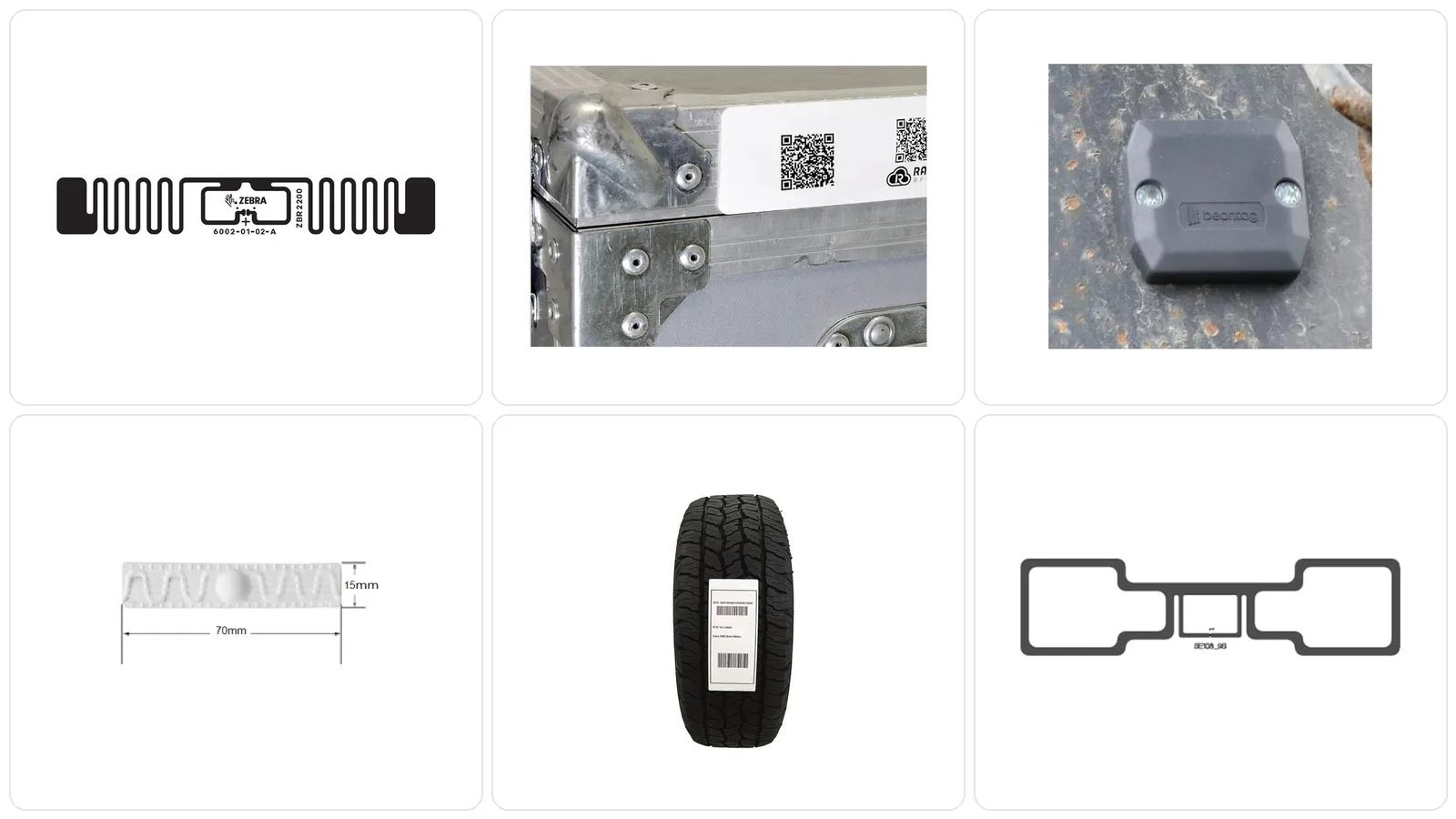
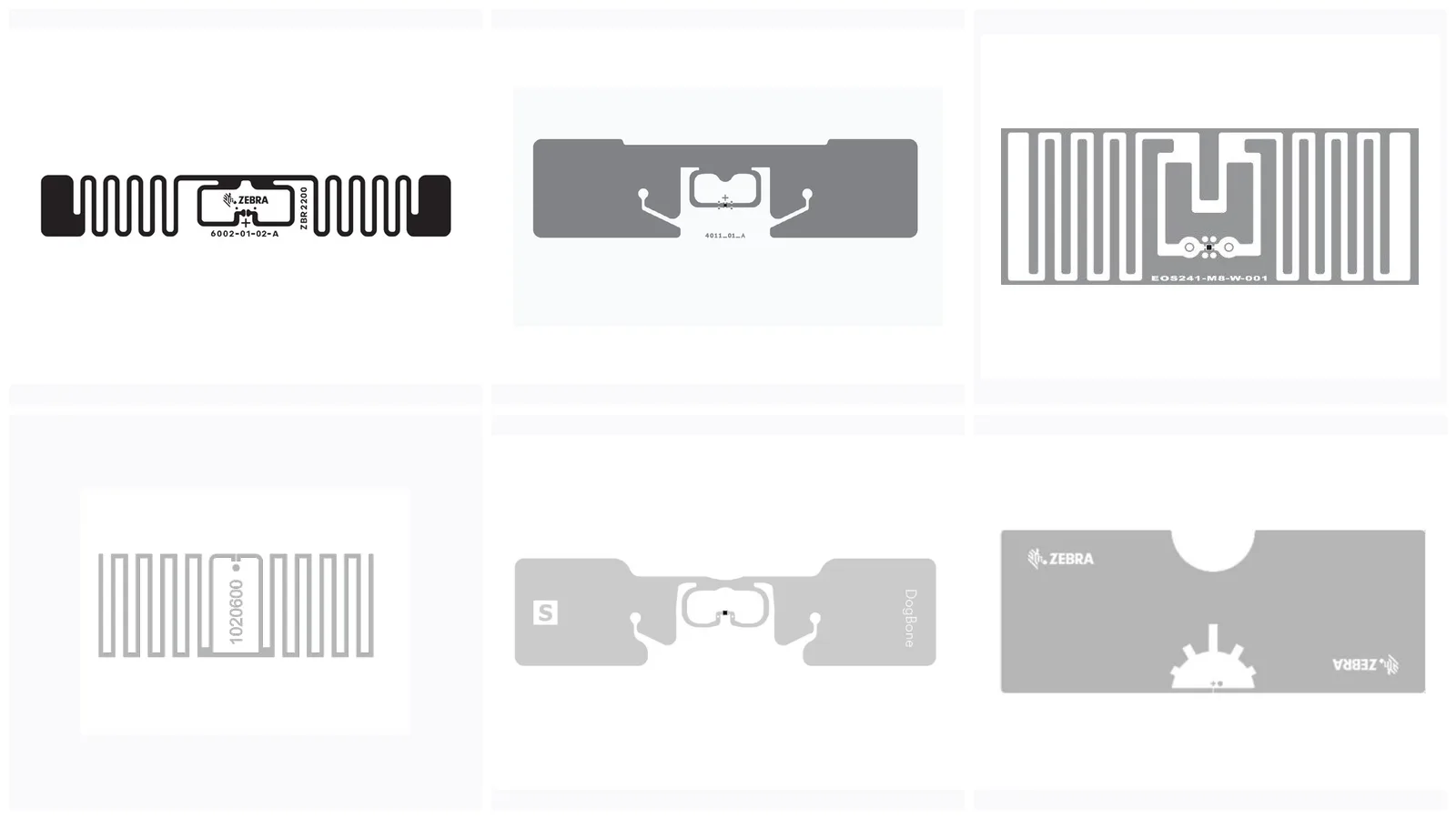
Choose the right tag for the rest. Caps solve bottles. Metal shelves, cans and cases need other tags. Our guide on how to pick the right RFID tag covers the options.
How Raptool fits
Raptool makes software, not hardware. Raptool RFID apps for stock counts, receiving and item search run on the Raptool Client, on RFID handhelds and sleds from Zebra and other makers. Raptool Retail and Raptool WMS use the same counts in store and warehouse work. You buy the readers from a Raptool partner, and you can compare models on our RFID device pages.
A good first step is a short pilot on one product group with the readers you already have. It shows what RFID reads well in your space, and where barcodes are still the better tool.
Questions about RFID on liquid products
Why is it hard to read RFID tags on bottles?
Water absorbs much of the radio energy that UHF RFID uses. A tag stuck flat on a full bottle may get too little power to answer, so it is read slowly or missed.
What did the Checkpoint and Impinj test show?
With a tag in the cap band and a Gen2X handheld, counting about 50 one-gallon containers took 5.1 seconds instead of 10.6. A fixed reader read 89% of the tags in five seconds, up from 74%.
Do Gen2X tags work with my current RFID readers?
Impinj describes Gen2X as compatible with the RAIN RFID standard, so the tags still answer normal Gen2 readers. You only get the faster results with a reader that supports Gen2X.
Which Zebra devices get Gen2X?
Impinj listed the MC33 family, TC22R, TC501, TC701, RFD40 and RFD90 families, FXR90, FX9600, FX7500 and ATR7000, with Gen2X added by firmware updates. Ask your hardware partner about timing for your devices.
Can we add cap tags to bottles ourselves?
No. The SmartShrink tag sits in the shrink band applied when the bottle is filled and capped. It has to come from the brand or the bottler, so start by asking your suppliers.
Tags
Want to test RFID counts on your own shelves and readers? Book a demo with Raptool.
Book a demoSources: Impinj: Checkpoint SmartShrink and Gen2X on liquid products, November 19, 2026 · Impinj: Zebra upgrades RFID readers with Gen2X, September 28, 2026 · Impinj: mobile devices with Gen2X RFID, September 28, 2026. Product photos: Zebra Technologies. Checked November 21, 2026.