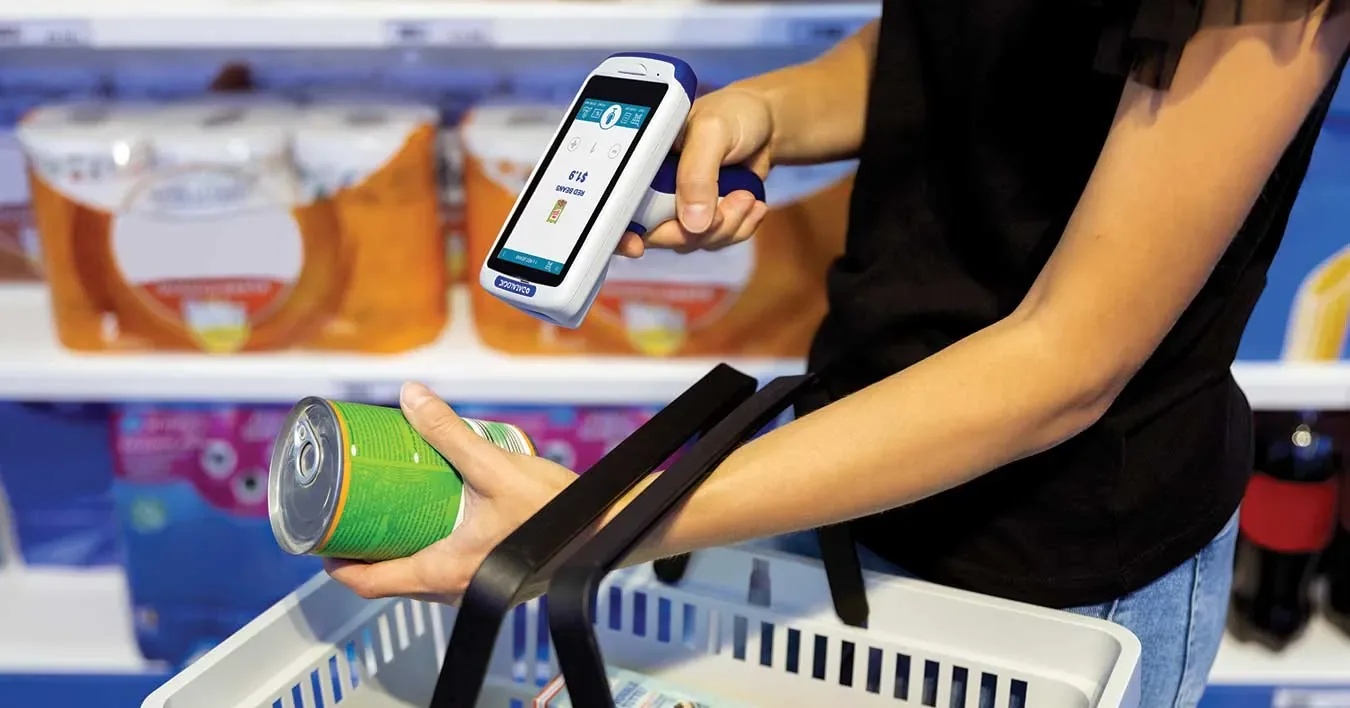
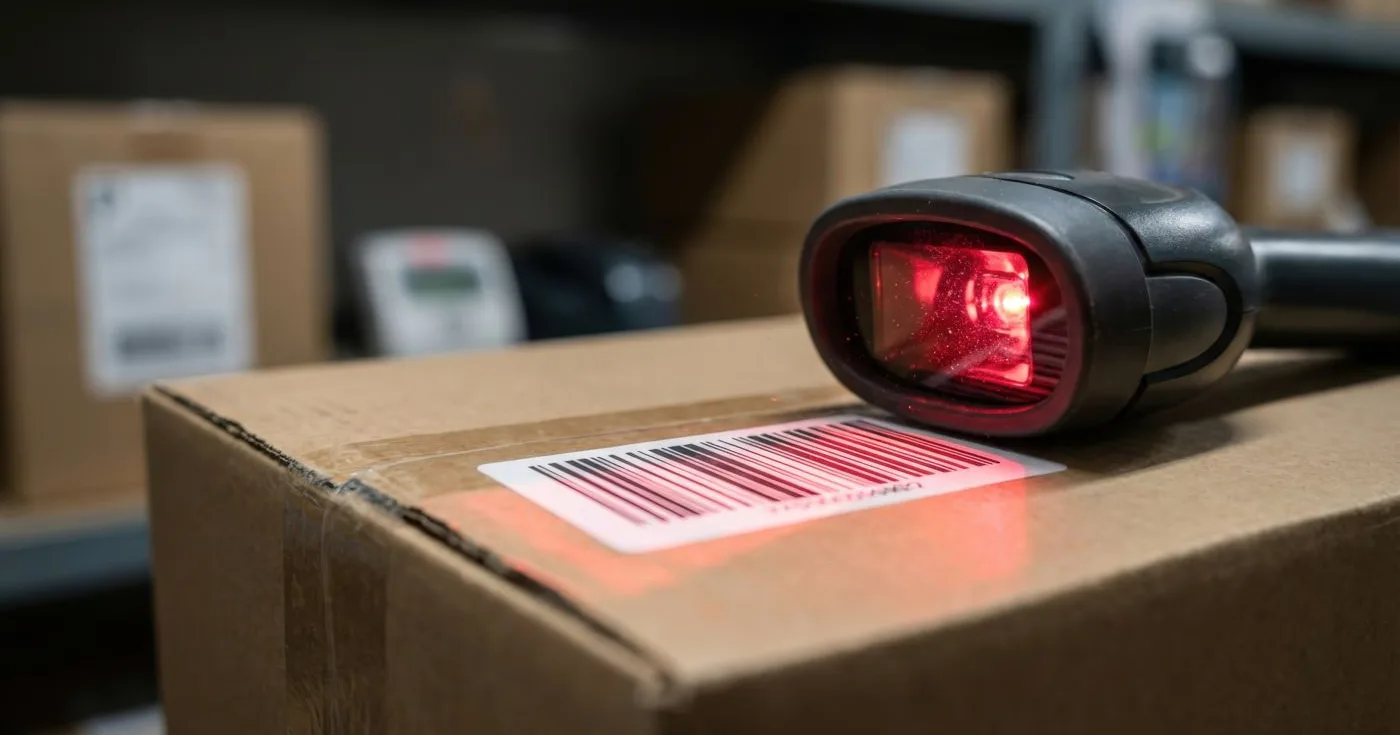
By the end of 2027, retailers are expected to be able to scan 2D barcodes at the checkout. The plan is called Sunrise 2027, and it is led by GS1 US, the group behind the U.P.C. barcode. The deadline is now about a year away, and suppliers are starting to move.
On November 17, Uniqode, a QR code platform, announced support for brands that need GS1-ready 2D codes on their packs. It is one of several vendors getting ready for the change this fall.
This post explains what Sunrise 2027 is, what it does not mean, and what warehouse and store teams should check on their scanners and apps before the new codes show up at their door.
What Sunrise 2027 is
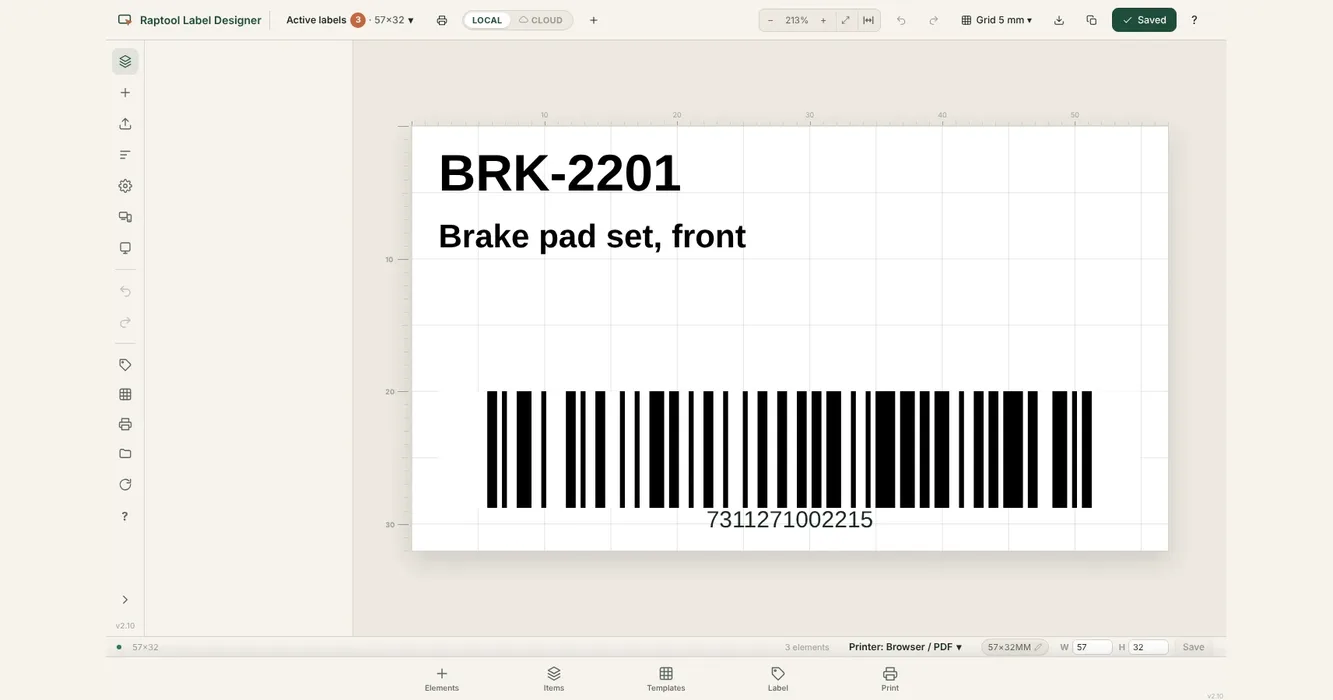
Today almost every product in a store carries a U.P.C. or EAN barcode. It is a row of black and white bars that holds one thing: the product number, called a GTIN.
A 2D barcode is a small square pattern, such as a GS1 DataMatrix or a QR code. It can hold the GTIN plus more data, for example a batch number, an expiry date or a serial number. A QR code with GS1 Digital Link holds the GTIN inside a web address, so a shopper's phone can open a product page while the checkout reads the product number.
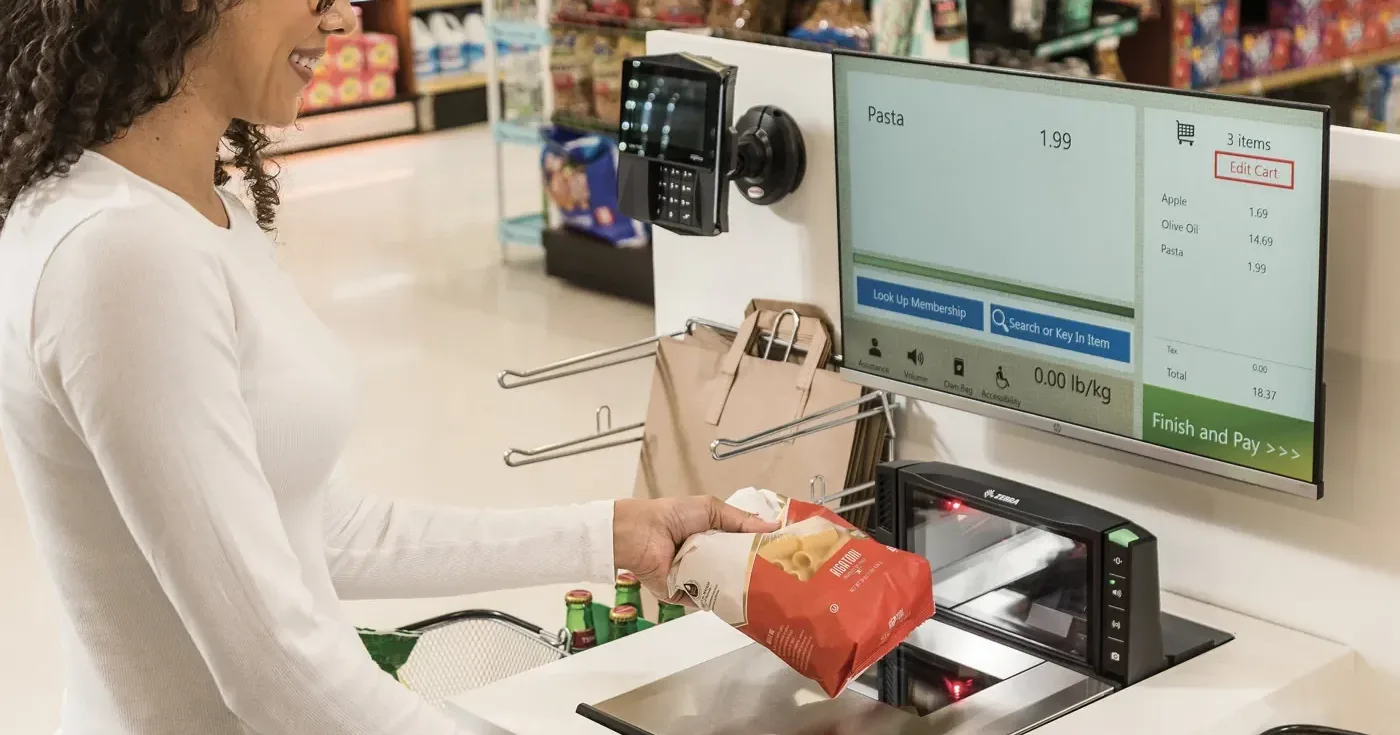
GS1 US calls 2027 the "sunrise date" for accepting 2D barcodes at the point of sale. The stated goal on the GS1 US retailer page is that after that date, 2D barcodes can be scanned at the checkout by all retailers.
What it does not mean
Sunrise 2027 is not the end of the classic barcode. GS1 US says U.P.C. barcodes will still be accepted and scanned after the 2027 date.
During the change, products will carry both codes. GS1 US calls this dual marking. In a sponsored NACS article from October 5, Lindsay Hillman, director of global standards at GS1 US, said the two codes are expected to sit side by side until about 90% to 95% of retailers can read 2D codes. She described the plan as "a sunrise, not a sunset."
It is also an industry plan, not a law. Still, some rules on food traceability and on healthcare products could push brands toward 2D codes, as GS1 US's Andrew Morehead told Packaging Dive at Pack Expo in October.
How far along it is
According to GS1's Pack Expo talk, as reported by Packaging Dive, some 2,000 retailers and 1,900 brands have taken part in national 2D pilots or rollouts. Hillman said most products with 2D codes today are in health and beauty, with more food and consumer goods following.
Morehead's advice to brands was to start small: pick one or a few products with room on the pack and print both codes for a while, so there is no gap at the checkout.
| Question | What the sources say | What it means for your team |
|---|---|---|
| When? | Retailers able to scan 2D at the checkout by the end of 2027 | Plan scanner and app checks in 2027, not after it |
| Does the U.P.C. go away? | No. U.P.C. is still accepted after 2027 | Your current labels and apps keep working |
| Which codes? | 2D codes such as GS1 DataMatrix and QR codes with GS1 Digital Link | Test both types on your devices |
| How long both codes? | Until about 90% to 95% of retailers can read 2D | Expect packs with two codes for years |
| Is it a law? | No, an industry plan. Rules on traceability may speed it up | Ask your biggest customers what they expect |
Why the warehouse should care, not only the checkout
Most of the talk is about the store checkout. But the same packs pass through goods receiving, putaway, picking, stock counts and returns long before they reach a till. Every one of those steps scans a barcode.
The extra data in a 2D code is most useful there. GS1 US lists flagging recalled, expired or counterfeit products in the warehouse and at the checkout, discounting products near their expiry date and better returns handling as benefits for retailers. If the batch number and expiry date sit in the code, a receiving app can record them in one scan instead of having someone type them.
That only works if three things are in place:
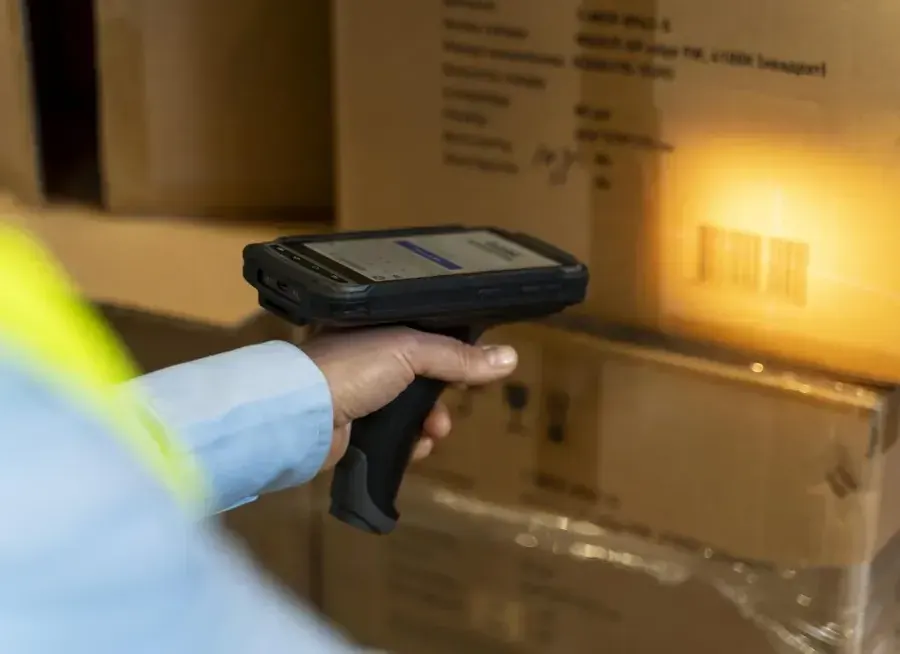
The scanner can read 2D codes. Older laser scanners read only 1D bars. Imager scanners, which use a small camera, read both 1D and 2D codes. Most current rugged Android mobile computers from Zebra, Honeywell and Datalogic use imagers, but check older devices in the fleet.
The app knows what to pick out of the code. A GS1 2D code packs several fields into one string. A QR code with GS1 Digital Link looks like a web address. Your app has to find the GTIN, and the batch or expiry date if you use them, instead of saving the whole string as the item number.
The item master matches. If your system stores the product number in one format and the scanner sends another, the scan will not find the item. Leading zeros are a classic trap.
A simple plan for 2027
You do not need a big project. A short test now saves a rush later.
List your scanners. Write down every model in use, in the warehouse and in the stores. Mark which ones are laser and which are imagers. The laser ones are the first to replace when they are due anyway.
Collect real samples. Ask your largest suppliers if they already print 2D codes, or plan to. Health and beauty suppliers are the most likely to have them today. Keep a few packs with 2D codes as a test set.
Test every scan step. Scan the samples in receiving, putaway, picking, counting and returns. Check that the right item comes up, and that the batch and expiry date land in the right fields if you track them. Our guide on batch, serial and best-before control covers why those fields matter.
Check your own labels. If you print shelf, carton or pallet labels, decide if they should carry a 2D code too. Our label template design guide walks through the choices.
Talk to your customers. If you supply retailers, ask what they expect on your packs and when. The answer decides your label and printing plans.
How Raptool fits
Raptool makes software, not hardware. Raptool WMS and Raptool Retail run receiving, picking, stock counts and store work on the Raptool Client. The Client runs on Zebra, Honeywell, Datalogic and other Android mobile computers, and uses the built-in scanner of each device. You buy the devices from a Raptool partner, and you can compare models on our device pages.
A short test with your own 2D samples on the devices you already have is a good first step. It shows which scanners are ready, and where the app setup or the item data needs work before 2027.
Questions about Sunrise 2027 and 2D barcodes
Will U.P.C. and EAN barcodes stop working after 2027?
No. GS1 US says U.P.C. barcodes will still be accepted and scanned after the 2027 sunrise date. Products will carry both codes for a long time.
Can my current barcode scanners read 2D codes?
Imager scanners, which use a small camera, read both 1D and 2D codes. Older laser scanners read only 1D bars, so check the models in your fleet.
Is Sunrise 2027 a legal requirement?
No. It is an industry plan led by GS1 US. Large retailers may still ask their suppliers for 2D-ready packs, and rules on traceability can speed things up.
What data can a 2D barcode hold?
Besides the product number, a GS1 2D code can hold data such as a batch number, an expiry date or a serial number. A QR code with GS1 Digital Link also holds a web address.
Where should a small company start?
List your scanners, collect a few real packs with 2D codes and test every scan step, from receiving to returns. That shows what needs to change well before the end of 2027.
Tags
Want to test your scanners and apps with 2D barcodes before 2027? Book a demo with Raptool.
Book a demoSources: GS1 US: GS1 Digital Link for retailers · Packaging Dive, October 27, 2026 · NACS Daily, October 5, 2026 (sponsored by GS1 US) · Uniqode press release, November 17, 2026. Checked November 20, 2026.